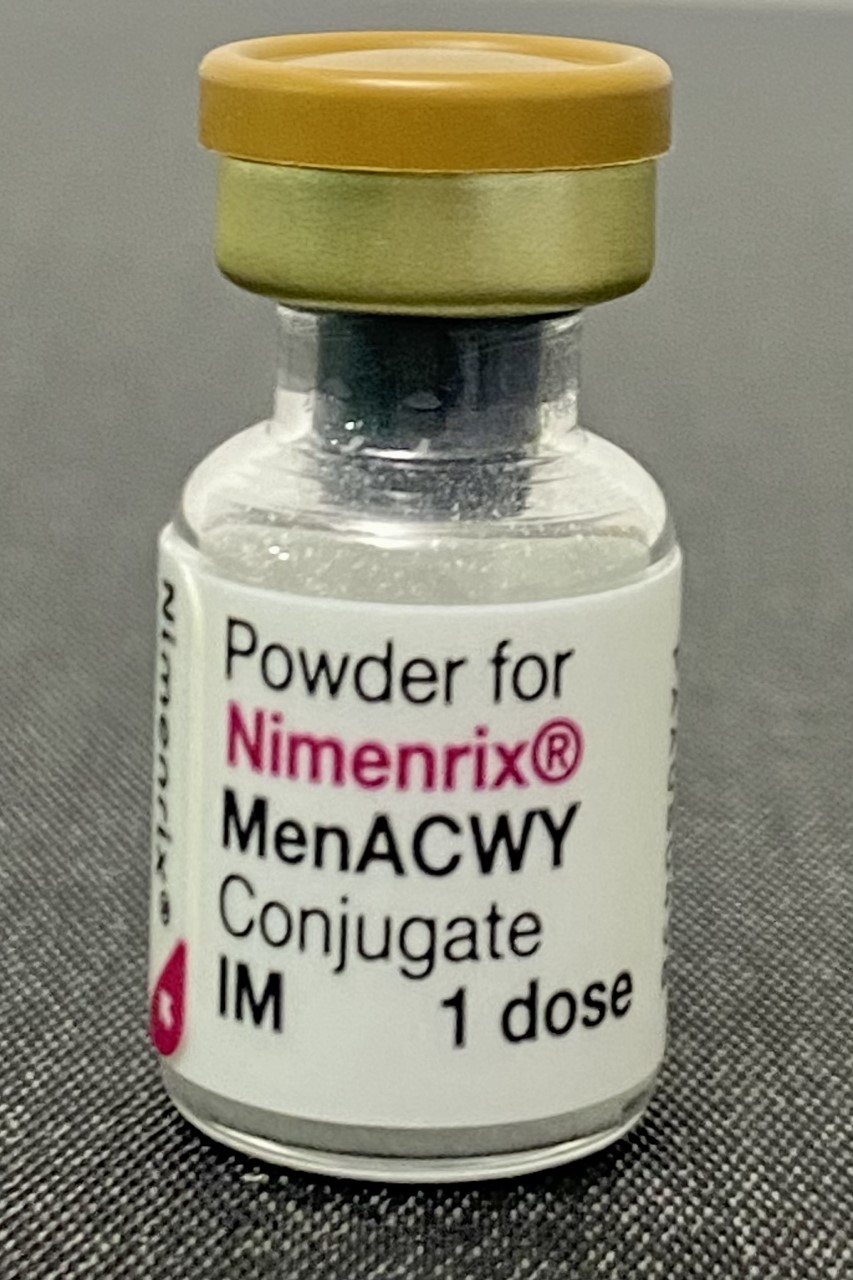
Understanding meningitis vaccination for umrah and hajj pilgrims: why it is usually required, where to get it, and what to keep in mind.
Meningococcal meningitis vaccination is generally one of the health requirements for pilgrims travelling to Saudi Arabia for umrah or hajj. Its purpose is to protect pilgrims from the risk of meningitis, especially because the worship takes place amid crowds from many countries.
Why it is usually required
Saudi Arabia usually asks for proof of meningitis vaccination as part of its entry requirements. This proof is often recorded in an international vaccination card (known as the yellow card). In certain seasons, the authorities may also add recommendations or requirements for other vaccines; this can change, so it is important to follow the latest official information from your agent or the Ministry of Health.
Where to get vaccinated
The meningitis vaccine is generally available at port health offices, referral hospitals, or designated clinics. A licensed travel agent usually directs pilgrims to the right facility and helps with scheduling. After vaccination, you will receive a vaccination card that must be kept safely, as it is often needed during departure.
When to get vaccinated
The vaccine needs time to build immunity, so it is best done several weeks before departure rather than at the last minute. The protection also lasts for a certain period; if you were vaccinated on a previous trip, ask whether it is still valid or needs to be repeated.
Things to keep in mind
- Tell the officer your medical history and any allergies before being vaccinated.
- Pilgrims with special conditions, pregnant women, or the elderly should consult a doctor first.
- After the vaccine, mild effects such as soreness at the injection site or a low fever may occur and usually settle on their own.
- Keep the vaccination card together with your passport so it is not misplaced.
Besides the required vaccine, keeping your body in good shape before departure is just as important: get enough rest, eat nutritious food, and, if needed, add other recommended vaccines such as influenza on your doctor's advice.
Because health requirements can change each season, always confirm the required vaccine types, locations, and schedule with your licensed travel agent and the authorised health facility before arranging them.
For families travelling together, it is best to arrange vaccination for all members at once so the schedule is uniform and the cards are not misplaced. For children and teenagers, vaccine requirements may differ; ask the authorised health officer directly.
Besides the physical card, some systems now record vaccination history digitally. Even so, still carry the physical card as a backup, since not every check relies on online data. Take a photo of your vaccination card and keep it on your phone so it is easy to show when needed.
Finally, understand that a vaccine is an effort to protect your health, not an absolute guarantee against illness. Keep your hands clean, wear a mask in crowds if needed, get enough rest, and eat nutritious food so your immunity stays strong throughout your worship in the holy land.


