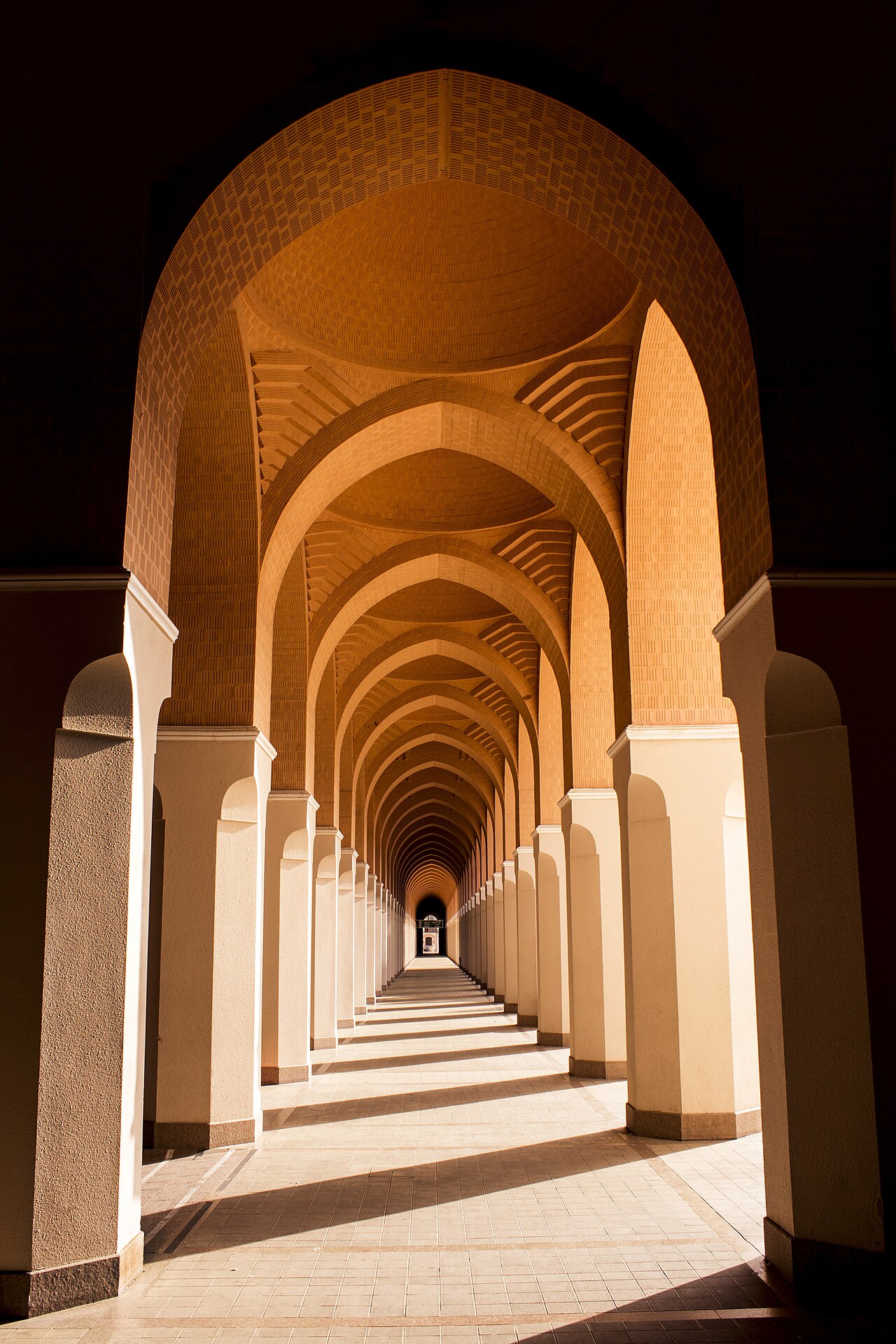
An explanation of the place boundary (makani) and time boundary (zamani) for entering ihram, and miqat locations for Indonesian pilgrims.
In Hajj and Umrah there is the term miqat — the boundary set by the sharia for beginning ihram. Miqat is of two kinds: miqat makani, relating to place, and miqat zamani, relating to time.
Miqat makani is the place boundary at which pilgrims must begin the ihram intention before passing it toward Makkah. Whoever intends to perform Hajj or Umrah may not pass the miqat without entering ihram. If he passes it without ihram and does not return, he incurs the consequence of a dam.
There are several well-known points of miqat makani. Dhul-Hulayfah, also known as Bir Ali or Abyar Ali, is the miqat for the people and pilgrims coming from the direction of Madinah. Al-Juhfah is the miqat for pilgrims from the direction of Sham, Egypt, and the Maghreb. Qarn al-Manazil, now known as As-Sail, is the miqat for the people of Najd and pilgrims from the direction of Taif.
Further, Yalamlam is the miqat for pilgrims from the direction of Yemen, and Dhat Irq is the miqat for pilgrims from the direction of Iraq. For Indonesian pilgrims, the miqat point depends greatly on the departure route. Those who go to Madinah first generally enter ihram from Dhul-Hulayfah, while those heading straight to Makkah from Jeddah usually take the miqat according to the travel direction or the ruling set by their guide.
As for miqat zamani, it is the time boundary for performing the worship. For Hajj, miqat zamani is limited to the months of Hajj — Shawwal, Dhul-Qa'dah, and the first ten days of Dhul-Hijjah. The Hajj ihram is invalid if done outside that period.
Unlike Hajj, Umrah has no specific time limit. Umrah may be performed at any time throughout the year. Many pilgrims therefore choose times of special merit, such as the month of Ramadan, though legally Umrah may be done in any month.
Understanding miqat is very important so that worship begins correctly. An error in determining the place of ihram can lead to the obligation of a dam, while an error in timing can affect the validity of the Hajj ihram. Pilgrims are therefore advised to follow the direction of guides who understand the routes and miqat rulings, so the entire series of worship proceeds according to guidance from its very first step.


