Umrah in Ramadan is said to equal the reward of hajj. Understand its merit, its limits, and the preparations needed.
Umrah may be performed throughout the year, yet umrah in Ramadan carries a special virtue. In a well-known hadith, the Prophet (peace be upon him) stated that umrah in Ramadan equals the reward of hajj, or in another narration, like performing hajj with him. This merit draws many Muslims to perform umrah when Ramadan arrives.
It is important to understand that this virtue relates to reward; it does not mean that Ramadan umrah waives the obligation of hajj for those who are able. A Muslim who has performed umrah in Ramadan is still obliged to perform hajj if the conditions of capability (istita'ah) are met. This understanding keeps the pilgrim's intention correct and free from error.
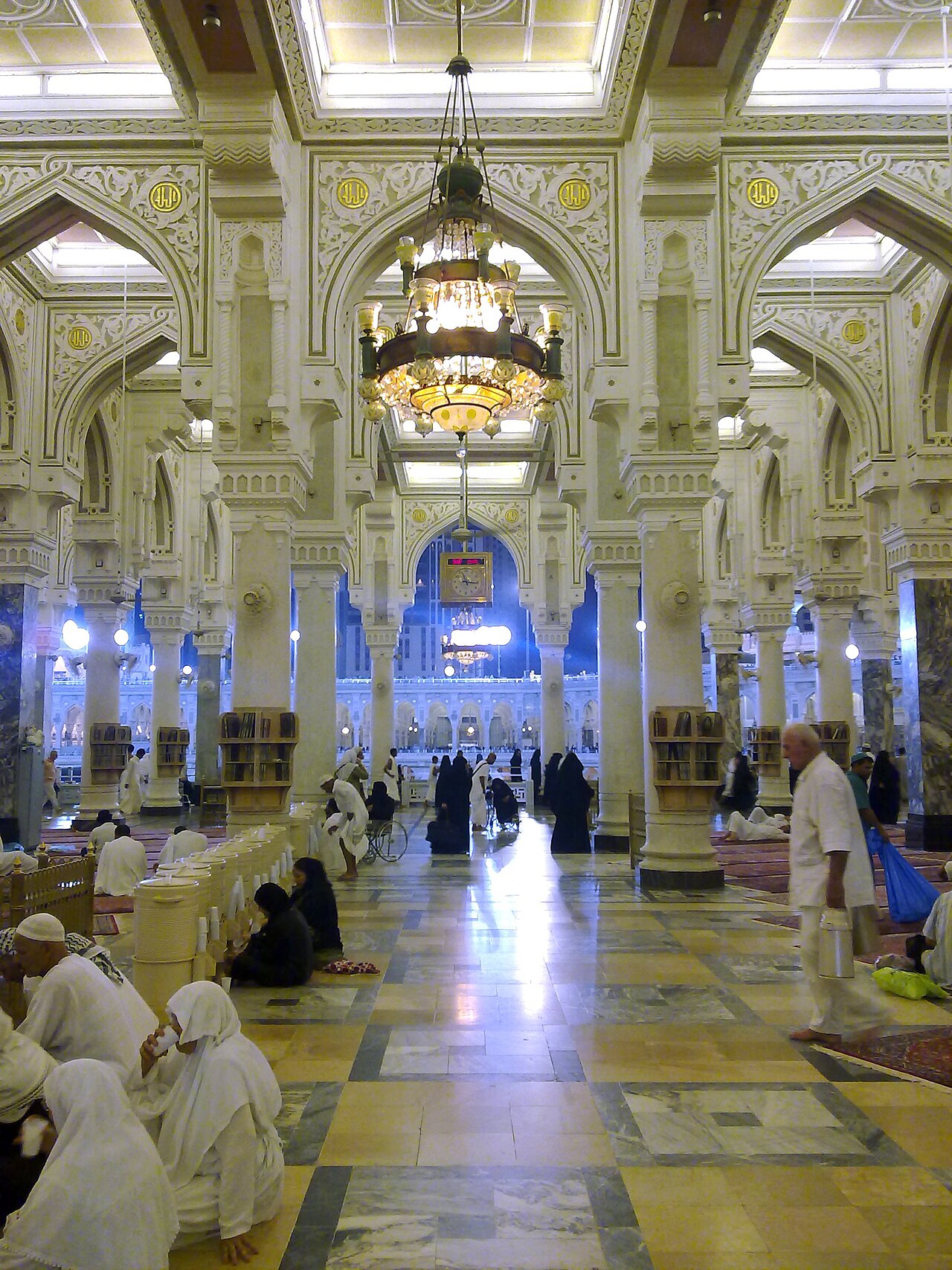
Combining umrah with fasting and night prayer in the holy land offers a multiplied spiritual experience. Pilgrims can break their fast in the courtyard of Masjid al-Haram, perform tarawih in congregation behind eloquent imams, and increase their recitation of the Qur'an in the most honoured place. The last ten nights of Ramadan, with the hope of meeting Laylat al-Qadr, are eagerly anticipated.
However, Ramadan umrah also demands extra preparation. First, the crowds increase sharply, requiring patience, stamina, and careful timing for tawaf, sa'i, and prayer. Second, physical condition must be maintained, as fasting while worshipping amid crowds is quite draining. Staying hydrated at suhoor and iftar, and getting enough rest, becomes very important.
Third, in terms of planning, the cost of Ramadan umrah is generally higher and quotas fill quickly. Pilgrims are advised to register well in advance through a licensed operator to secure a clear schedule, hotel, and guidance. This certainty helps worship proceed more calmly.
Fourth, set realistic worship targets. There is no need to force every voluntary act until the body is exhausted. Prioritise the pillars and obligations of umrah, the obligatory prayers in congregation, and deeds you can maintain consistently.
With a sincere intention, thorough preparation, and patience with the crowds, umrah in Ramadan can become one of the most memorable acts of worship in a lifetime. The atmosphere of the holy land, filled with supplication and Qur'an throughout the night, brings a serenity hard to forget, and renews a spirit of faith that is carried home.
Pilgrims may also choose their departure time according to their needs. Some prefer early Ramadan for a relatively quieter atmosphere, while others deliberately take the last ten nights to seek the merit of Laylat al-Qadr, though the consequence is far greater crowding. For those with more time, performing i'tikaf at Masjid al-Haram or Masjid an-Nabawi during the last ten nights is a most precious opportunity.
In addition, consider the condition of family members who come along. Bringing children or elderly parents during Ramadan demands more careful planning regarding rest, meals, and worship arrangements to avoid exhaustion. Consult a licensed operator about choosing a hotel close to the mosque to ease mobility. With good planning, the merit of Ramadan umrah can be attained without sacrificing the health and devotion of the whole group.


